You Can Make Your Own Cheese – Part 1

You can make your own cheese just as well as anyone. A few years ago, I offered a piece of my cheese for tasting to a coworker. Her response was, “cheese can be made?” I’m not sure what she thought about how cheese got to the grocery store. I regret not asking her though I was sensitive to not making her feel uncomfortable about not knowing how cheese is produced. I’ve heard kids sometimes think their food simply comes in cans and boxes. Meat appears in the cooler section by magic. There is no concept of plants and animals as the origination point. Lots of people today have no connection to their food. Since you are listening to this podcast, I’m going to assume you are not one of them. I’m thinking you are very interested in the answers to the question, “from where does my food originate?”

I’ve spoken before about the basis of cheesemaking and today I want to talk about the basics of the equipment and setup you need to be able to make your own cheese at home. Every part is very important and not that expensive. Much of it involves using what you may already have in your kitchen. 

I want to take a minute and say welcome to all the new listeners and welcome back to the veteran homestead-loving regulars who stop by the FarmCast for every episode. I appreciate you all so much. I’m so excited to share with you what’s going on at the farm this week.

Today’s Show

  • Homestead Life Updates
  • You Can Make Your Own Cheese – Part I
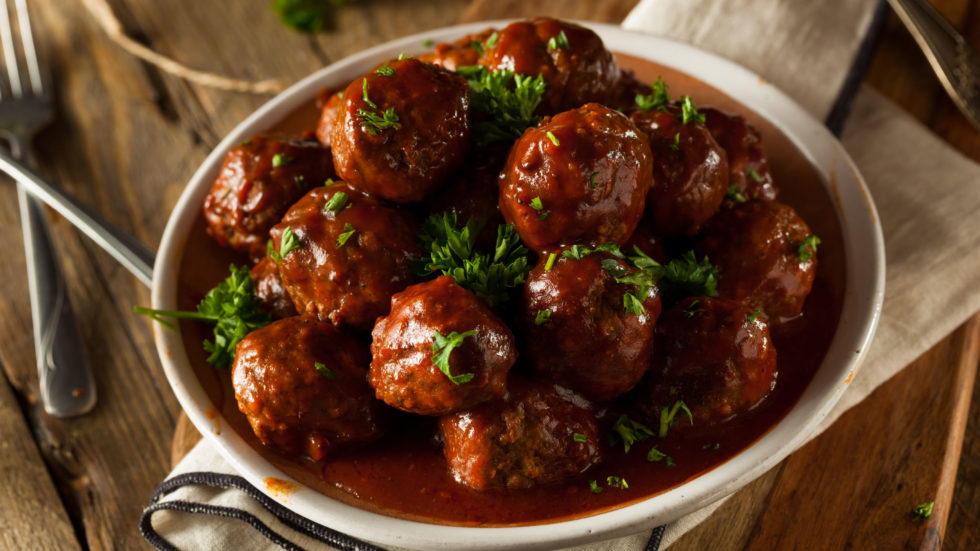
  • Greek Meatballs and Yogurt-Mint Sauce

Homestead Life Updates

Creamery

The roof of the creamery is on and dried in. The floors are swept clean and look wonderful. It’s a little dark in there. The doors and windows we purchased last year have been kept under a tarp. They are now inside and safe from the weather. According to Scott, that is the next step, getting all the doors and windows in place. He’s putting the wood frames into the concrete blocks right now.

Cows

The birthing events draw ever nearer each day. Less than two months remain before Claire is scheduled to give birth to a beautiful purebred Normande calf. All is going well with no issues to report.

Sheep, Goats, and Donkeys

The sheep, goats, and donkeys are doing well. They are eating hay and eating hay and eating hay. That’s what they do in the winter.

Quail

Same for the quail. They are eating their 24% protein chick feed ration and huddling together to stay warm. They look great!! Game birds need a higher protein ratio than domestic chickens. Can’t wait until the quail start laying eggs again and we can start hatching out the cute little quail chicks.

Let’s talk cheese.

You Can Make Your Own Cheese

I’m sure many of you want to develop new cooking skills and you can make your own cheese. It does take practice and you may even need to attend a hands-on cheesemaking workshop, but cheesemaking can absolutely happen in your home kitchen. You’ll need some equipment, a cheesemaking space, and sanitation procedures. Having a proper space with the right equipment and knowing how to keep the space and tools properly cleaned and maintained goes a long way to making it fun and successful. You will want cleanable, easily maintained equipment and surfaces that pose no risk when used to manufacture food for human consumption. So, let’s take a look at all of those issues and help you get set up to make cheese! Because there is so much information, this will be two podcasts. This one will cover all the equipment. The next will be about setting up your space and the cleaning requirements and methods.

Choosing Equipment

First, I’ll go over how to choose the things you will need and want to have on hand for cheesemaking. Some are optional, especially at first, depending on the cheese you want to make. And due to the popularity of home cheesemaking, you can often find local stores carrying many cheesemaking supplies as well. I’ll put a link in the show notes for one of my favorite resources, New England cheesemaking. Their website is cheesemaking.com.

Pots and Vats

The primary considerations when choosing the proper receptacle to make your cheese is the material and condition. Whether you make your cheese in a 1-gallon pan on the stove or in a steam jacketed cheese vat, your receptacle is best if made of high-quality stainless steel. You may or may not know this, but stainless steel comes in varying grades. The cheaper it is, the less likely it will hold up well over time. You may even find that it will rust in spots.

For home use stainless steel pots with stainless or tempered glass lids—a type of glass that is fine in high heat situations—can be used. Just be aware that glass can break and ruin a batch of cheese. A coated or enameled surface is also fine for home use, as long as you inspect it before and, even more importantly, after use. If you notice a chip missing from your enameled pot when you’re done making cheese, you should suspect that it is in your cheese. That cheese will need to be thrown away.

In any case, the surface must be easily cleaned. So, any deep scratches or rivets on the inside, the surface, or in nooks are undesirable. In the commercial world they are not allowed.

The next factor for you to consider in choosing your pot will be size. The most common at-home cheese vat is a double-boiler-type set up of a pot set in a sink of warm water or inside a larger pot of water on the stove top. Personally, I have a 12-quart stainless steel pot and a 24-quart stainless steel pot that I use in my kitchen sink. The smaller pot I use to make a one- or 2-gallon cheese in the larger pot I used to make cheese with 4 to 5 gallons of milk. If you choose to use your stovetop, look for a large stainless-steel pot and an enamel or stainless-steel water bath canner. Walmart carries these products as well as canning supply retailers. For the stovetop, you will need a mechanism to keep the inner pot containing the milk off of the bottom of the pot with the heated water. This allows water to circulate underneath your pot of milk. You can use a wire cooling rack or even just a few Mason jar lid rings at the bottom of the canner the rings will rust, but if the water bath pot is not also used for cooking, it is a problem. In general, all of my cheesemaking supplies are used only for cheesemaking.

One other option I will mention is using your slow cooker. I’ve never used mine to make cheese, but I’m pretty sure it would work. A half-gallon to 1 gallon of milk would be the limitation there for me. Speaking of which, I have used my Cosori instant pot to make queso fresco. That cheese is so simple it requires nothing more than the stainless-steel instant pot and a slotted spoon. Check out my website for that recipe. I’ll put a link in the show notes.

Milk Storage Containers

You can skip this section if you are making cheese with milk your purchased from the grocery. Yes, you can use store-bought milk. As long as it is not ultra-pasteurized. Whole, pasteurized milk purchased from the grocery store will make a decent cheese. Obviously, it’s not the same as making it with raw milk from your own cow or from raw milk you obtained via the rules in your state. And there are a few differences in ingredients and amounts of culture, but pasteurized milk will make any cheese your heart desires.

If you are collecting your own milk or buying it from your neighbor, there is a good chance that you will store it for at least one day. We use stainless steel cans with tight-fitting lids but these are expensive. Our 2 ½ gallon stainless steel milk cans were at least $60 each plus shipping. Mason jars are a great option here. We use the ½ gallon size. I also have a bunch of 1 gallon jars. Less jars to empty and clean but harder to find. Just keep in mind that if you find a chip in the glass, it’s likely in the milk. Keep the milk very cold and use it within one day. If you wait longer, the naturally occurring enzymes and bacteria will overpopulate and overrun the cultures you add. You will get cheese, but who knows what it will be.

Forms, Hoops, and Molds

These items usually need to be purchased. It’s one of a few things that is worth the investment. In all honesty, you are probably going to spend more money on cheese forms than you need to. It is pretty much impossible to know early on what types of cheese you will end up making the most, what size wheels you will be happiest with, and how many forms you really need. Don’t get too stressed about it. You may even be able to craft your own. The main thing to remember is that they must be made of some kind of material that is easily cleaned and not negatively affected by the acid produced by the draining cheese—so no aluminum or copper. As an aside, the terms “hoop,” “form,” and “mold” are pretty much interchangeable.

As long as they are easy to clean and made of food grade material, you can come up with some pretty creative options, such as plastic colanders, salad spinner bowls, or even food storage bowls with drainage holes drilled in the sides. Some people even use large diameter PVC pipe or plumbing piping for cold water lines as cheese forms.

Keep in mind the ruggedness of the form if you will be applying weight during draining. The less pressure that is used, the more options you have when selecting forms. If you’re making a cheese that requires a great deal of pressure, such as cheddar, you will need a very sturdy, straight sided form or a curve sided form designed to take the pressure exerted by a mechanical press. More on presses later.

When shopping for forms made specifically for draining cheeses, you will have many choices. You will likely end up with some that you only use once or twice, and maybe you can even give those away to another cheese maker who is in the early experimentation phase. The plastic forms come in four basic types: those meant to be used with cheesecloth and pressure; basket type forms for ladled, unpressed curd; micro perforated forms with many tiny holes to simulate the effect of cheesecloth; and Kadova type forms that had a built in mesh lining. The Kadova and micro perforated forms are notorious for being difficult to clean. But they also eliminate the need for cheesecloth and cleaning involved with its use.

Cheesecloth, Draining Bags, Mats

Cheesecloth serves two purposes during draining: first, it helps keep the loose curd in a shape while it knits back together, and second, it helps wick whey away from the cheese and toward drainage holes in the form. It is important to choose the right fabric to properly drain the type of cheese you are making. In general, you can apply the following policy: the finer and softer the curd, the tighter the weave of the cloth should be. The fabric sold in most kitchen and department stores that is labeled as cheesecloth has a very open, gauze like mesh and is not suitable for draining cheeses. Instead, you will want to buy real cheesecloth from a cheesemaking supply company.

Draining bags are designed specifically for making soft, spreadable cheeses. They have a very fine weave and are sturdily manufactured. A great substitute is a white pillowcase, which you will, of course, clean and sanitize before using. If you have any sewing skills and the right equipment, you can sew your own draining bags.

Draining mats can be used directly under cheeses such as brie and Camembert during draining and aging, under forms during draining (to help keep the form itself up out of the draining way), and under hard cheese during aging (to promote airflow around the cheese).

Many people use plastic needlepoint matting as a substitute. It looks almost the same and works as well. It is low in cost and is usually available for purchase locally (rather than having to be ordered, like the “official” cheese matting). Reed mats, such as those designed to make sushi rolls, can also be a good choice.

Weights and Presses

Creativity is the name of the game here. Some cheese will require a specific press, but most can be improvised. The options are almost limitless when setting up a way to lightly press cheeses—from stackable cheese forms and jugs of water or sand to barbell weights. I’ve used them all. Keep the following things in mind when designing your pressing system: stability—will the weight shift and come crashing down when you are not observing the pressing? And cleanability—are the weights cleanable and contained so they don’t leak or leech any nonfood substances or chemicals in your cheese?

If you find you must move up to a mechanical press, you have two basic options, then multiple choices within those options; a single wheel screw type press or lever press. Your choice will likely revolve around the number of wheels you plan on pressing at the same time. Small single wheel presses that can press 3 to 4-pound wheels can be expensive, and it will be quite time-consuming to have more than one or two wheels that you need to remove from the press, redress, and turn.

When choosing a single screw type press, look for durability, cleanability, and pressure scale. The most expensive are made from all-stainless-steel parts—and of course, these are the most cleanable and durable. Some single presses are made from wood and laminate parts.

Finally, the lever press, also called a Dutch or Holland lever press, because of its long history of manufacture and use in that country. Lever presses designed for home use are usually made of a hard wood such as maple. It is important that they not be made of a softer wood, as the lever arm from which weights will be hung can crack if it is not sturdy enough. Lever presses can be freestanding or attached to a wall. You can purchase a premade kit for single wheel versions of those presses and find plans online. I used to have one of these mounted on the wall. Scott made it for me. Alas, I’ve taken it down and I don’t think I have any pictures. It was my main press when I was making 3 to 5-gallon cheeses. It was simply a long stick of wood that would fold up and out of the way and then fold down when I needed to use it. My weights were 1 gallon and half gallon plastic milk jugs. I put them on the scale and added as much water as I needed to reach a specific weight. I believe I had a 2-pound, a 4-pound, and 8-pound weight. They each had a small piece of rope tied to the handle which I could loop over the arm of the lever press.

Miscellaneous Tools

You will need quite an assortment of miscellaneous tools, such as ladles, curd cutting knife, measuring cups, measuring syringe, colander, thermometer, timer or clock, a scale for weighing curd, and brine “tank.” If you are also waxing cheeses, that will require equipment as well.

A perforated cheese ladle can be either purchased or modified from a long handled, slotted stainless steel skimmer. The ladle is used to gently stir the curds, and the perforations allow for the whey to flow through the spoon, as well as to help disperse coagulant and calcium chloride when being added to the cheese milk.

A curd knife is used to cut the coagulated milk into curds. Again, you can purchase one or use a long, narrow spatula; a frosting spreader; or even a thin piece of stainless steel.

There are some small-scale cheese “harps” on the market, but beware of blades that are too thick or spaced too widely—once you make large cubes, is a bit more difficult to cut them smaller evenly, as they are now moving in the vat as you try to cut them. A small-scale harp can be fabricated by creating a stainless frame that is strung with nylon fishing line. While it is not necessary to invest in such a harp, it will give you the advantage of nearly perfect cubes of curd. When a harp is turned it around about, it cuts concentric circles that must then be cut vertically. Leaving you with more of a pie shaped curd than a square one.

For measuring liquid, you will need a variety of measuring cups, measuring spoons, and a couple of plastic syringes in 5 cc, 3 ml, and 1 ml sizes. A cubic centimeter (CC) is the same as a milliliter. If you have a nice little set of syringes, you will be able to make super accurate measurements of coagulant and calcium chloride.

For measuring dry powders, such as cultures, accurately weighing and dividing into unit doses is always the best choice but is often not practical for home cheesemaking. For measuring really tiny doses of mold and ripening cultures, you can purchase a set of tiny measuring spoons that will help measure amounts from just under a quarter teaspoon (1 mL) down to 1/60 teaspoon (0.05 mL).

It is a good idea to have a plastic or stainless-steel colander for holding draining bags while filling, draining curd, and other surprisingly handy uses. Don’t use aluminum strainers, as the metal will react with the acid in the whey and cheese.

You don’t need a fancy thermometer for making cheese, but you’d do need to make certain it is accurate. You can use the simple, metal probe thermometers you can get for a few dollars at the grocery store. Using a piece of stainless-steel wire, you can fashion a nifty little hanger so the thermometer stays suspended and you can still close the lid on your vat.

A clock or timer should be available for monitoring times during your cheese makes. Your cell phone probably has a timer on it.

If you are brining cheeses—and you will be—you will need a container large enough to float all the wheels in a batch (or you can use multiple containers). Brine should be stored at either aging room temperature of 50 to 55°F or in the refrigerator between use.

If you’ll be waxing cheeses for aging, plan on a double boiler, pan, or dedicated crockpot that is used only for this purpose. The wax pretty much takes forever on all utensils. A variety of natural bristle brushes will also be needed for waxing.

I’m going to stop here for this podcast. In the next one I will finish up this topic covering “creating a cheesemaking space” and “keeping things clean”. Once you have those topics under your belt, you’ll be set to make the best cheese right in your own home.

It’s time for today’s recipe.

Greek Meatballs with Yogurt-Mint Sauce

Slow-simmered in a rich tomato sauce and served over rice with a tangy yogurt sauce and crumbled feta. Yum, yum.

What You Need

Meatballs

  • 2 lbs ground lamb
  • 4 tablespoons fresh mint, chopped
  • 2 tablespoons fresh oregano, chopped
  • Zest of ½ lemon
  • ½ cup olives, chopped (green, black or mixed)
  • 3 cloves garlic, minced
  • ½ red onion, chopped
  • ½ teaspoon red pepper flakes
  • 1 teaspoon salt
  • ½ teaspoon pepper
  • ½ cup bread crumbs
  • 1 egg
  • Olive oil for browning meatballs

Tomato Sauce

  • 28 oz can crushed tomatoes
  • 3 cloves garlic, minced
  • 1 tablespoon cumin, ground
  • Salt and pepper to taste

Yogurt-Mint Sauce

  • 1 cup Greek yogurt
  • Zest of ½ lemon
  • Juice of one lemon
  • ½ teaspoon salt
  • 1 teaspoon sugar

Garnish

  • Feta, crumbled
  • Fresh herbs (mint and oregano)

What To Do

Meatballs

  1. Combine meatball ingredients in large mixing bowl. Form meatballs.
  2. Heat a large pot on medium heat. Add oil to coat the bottom. Add half the meatballs, keeping space between them.
  3. Brown well on one side and flip to brown the other side. Roll to sides and brown.
  4. When nicely browned, put on a plate and repeat with remaining meatballs. Put on plate.

Tomato Sauce

  1. Add crushed tomatoes, garlic and cumin to pan. Scrape bottom and combine well. Add meatballs, season with salt and pepper, bring to a simmer. Turn down to low.
  2. Cook for about an hour with lid slightly open. Scrape bottom occasionally to prevent burning.
  3. Meatballs are done when tomato sauce thickens.

Serve with Mint Sauce and Feta Over Rice

  1. Prepare rice of your choice. Combine the yogurt sauce ingredients.
  2. Spoon yogurt sauce on top of meatballs and crumble feta over it.
  3. Garnish with fresh herbs and olive oil.

Final Thoughts

That’s it for today’s Peaceful Heart FarmCast. I hope you are enjoying your winter wherever you are in the world. Well, I guess if you are south of the equator it is summer. If you are south of the equator, I hope you are enjoying your summer. The winter blues are coming on me in small amounts at the moment. No where near the levels of past winters and for that I am grateful. If it wasn’t raining would go out and watch a few animals grazing peacefully. That can cheer me up any time.

If I had milk, I could make cheese and that can cheer you up as well. I hope this introduction to setting up your own kitchen for cheesemaking is helpful. It really can be done. When I have completed the second half, there will be a written transcript of the two podcasts on my website. I’ll make a downloadable pdf version that you can print and study.

Those Greek meatballs are fabulous. Give it a try and let me know your variations and improvements. We have ground lamb available for purchase at the farmer’s market in Wytheville, 2nd and 4th Saturdays and at the farm Tuesday mornings 10am to 12pm or Saturday afternoon 3pm to 5pm.

If you enjoyed this podcast, please hop over to Apple Podcasts, SUBSCRIBE and give me a 5-star rating and review. Also, please share it with any friends or family who might be interested in this type of content.

As always, I’m here to help you “taste the traditional touch.”

Thank you so much for stopping by the homestead and until next time, may God fill your life with grace and peace.

References:

Recipe Link

Greek Meatballs with Yogurt-Mint Sauce

To share your thoughts:

  • Leave a comment on our Facebook Page
  • Share this show on Twitter, Facebook and Instagram

To help the show:

Website

www.peacefulheartfarm.com

Patreon

www.patreon.com/peacefulheartfarm

Facebook

www.facebook.com/peacefulheartfarm

Instagram

www.instagram.com/peacefulheartfarm/

Greek Meatballs with Yogurt-Mint Sauce

Greek Meatballs with Yogurt-Mint Sauce

Slow-simmered in a rich tomato sauce and served over rice with a tangy yogurt sauce and crumbled feta. Yum, yum.
Prep Time10 minutes
Cook Time1 hour 20 minutes
Cuisine: Greek

Ingredients

Meatballs

  • 2 lbs ground lamb
  • 4 tablespoons fresh mint chopped
  • 2 tablespoons fresh oregano chopped
  • Zest of ½ lemon
  • ½ cup olives chopped (green, black or mixed)
  • 3 cloves garlic minced
  • ½ red onion chopped
  • ½ teaspoon red pepper flakes
  • 1 teaspoon salt
  • ½ teaspoon pepper
  • ½ cup bread crumbs
  • 1 egg
  • Olive oil for browning meatballs

Tomato Sauce

  • 28 oz can crushed tomatoes
  • 3 cloves garlic minced
  • 1 tablespoon cumin ground
  • Salt and pepper to taste

Yogurt-Mint Sauce

  • 1 cup Greek yogurt
  • Zest of ½ lemon
  • Juice of one lemon
  • ½ teaspoon salt
  • 1 teaspoon sugar
  • Garnish
  • Feta crumbled
  • Fresh herbs mint and oregano

Instructions

Meatballs

  • Combine meatball ingredients in large mixing bowl. Form meatballs.
  • Heat a large pot on medium heat. Add oil to coat the bottom. Add half the meatballs, keeping space between them.
  • Brown well on one side and flip to brown the other side. Roll to sides and brown.
  • When nicely browned, put on a plate and repeat with remaining meatballs. Put on plate.

Tomato Sauce

  • Add crushed tomatoes, garlic and cumin to pan. Scrape bottom and combine well. Add meatballs, season with salt and pepper, bring to a simmer. Turn down to low.
  • Cook for about an hour with lid slightly open. Scrape bottom occasionally to prevent burning.
  • Meatballs are done when tomato sauce thickens.

Serve with Mint Sauce and Feta Over Rice

  • Prepare rice of your choice. Combine the yogurt sauce ingredients.
  • Spoon yogurt sauce on top of meatballs and crumble feta over it.
  • Garnish with fresh herbs and olive oil.

This Week at Peaceful Heart Farm: 1/24/2020

Hello beautiful people,

Sorry for the late newsletter. I let time get away from me. Hope all is going well for all of you. When you have do you add a bunch of stuff to your “to do” list? This is the time to complete all that stuff that has been put on hold.

Scott has half of the creamery roof “dried in” already. Follow us on our Facebook page so you don’t miss the great photos of his progress. You can follow us HERE.  

Meet me at the farmer’s market on Saturday. I’ll have Moroccan seasoned lamb meatballs for tasting. We are taking another steer to the processor in the next week or so. Get your orders in now. 

If you have not heard from me regarding available herd shares, I do not have you on my waiting list. I have one and a half shares available. Contact me via email (melanie@peacefulheartfarm.com) or phone (276-694-4369). I will have more shares available in the spring.

Please go HERE to learn all about Herd Shares and get on our waiting list.

As a reminder, those of you that shop the Independence Farmer’s Market can still place your orders for lamb, beef and goat via the online market. We now have lamb available in 1″ kabob chunks. It’s great for making Indian curry dishes. Indian Style Curry is one of the new recipes. 

Here is a link to the online store. Register for an account, place your order online and pick it up on Wednesday afternoon at Grayson Landscaping (next to the old court house). Email me if you don’t see what you are interested in purchasing. 


News This Week 

  • Products Available This Week
  • Let’s Get Together
  • This week’s FarmCast: “Nose to Tail Beef” will answer many questions you may have regarding how to use a great quantity of beef and unfamiliar cuts. 
  • FREE Cheese tasting downloads
  • Most Recent Recipes – Moroccan Seasoned Meatballs was added (by request from several of YOU).

Products Available to Herd Share Owners

Choose 1 per week 1/2 Share Whole Share
Butter 1/4 pound 1/2 pound
Ararat Legend 1/4 pound 1/2 pound
Peaceful Heart Gold 1/4 pound 1/2 pound
Pinnacle 1/4 pound 1/2 pound
Clau d’ville Cheddar 1/4 pound 1/2 pound

Products Available to the General Public

Beef Price / Pound
1/4 Beef (approx 100 lbs) $7.00
1/2 Beef (approx 200 lbs) $6.50
Whole Beef (approx 400 lbs) $6.00
Ground (approx 1 lb) $7.00
Marrow Bones (approx 2 lbs) $2.00
Lamb Price / Pound
Lamb Loin Chops $16
Lamb Rib Chips $16
Lamb Kabobs $12
Ground Lamb (approx 1 lb) $10
Lamb Soup Bones (approx 1 lb) $3
Whole Lamb (approx 40 lbs) $9.50
1/2 Lamb (approx 20 lbs) $10
Chev (Goat) Price / Pound
Ground Chev (approx 1 lb) $12
Meaty Goat Bones (approx 2.5 – 3.5 lb) $3

Let’s Get Together

As always, we’d love to meet you in person.  You can find us at the Wytheville Farmers Market the and 4th Saturdays in January, Februrary, March, and April. Hours are 10 am to 2 pm.  

As always, you may visit us at our dairy farm in Claudville, Virginia Tuesdays from 10 am to 12 noon and Saturday afternoons from 3 pm to 5 pm. Find out how we raise our animals and why you will love the taste of tradition that is inherent in all of our products. Herd share holders will be able to see up close how their cows are cared for and where the cheese is made and stored. 


Peaceful Heart FarmCast

This week’s podcast, Nose to Tail Beef, will give you great information on just how a cow is put together. You’ll also learn where various cuts of meat originate on the cow and some basic (very basic) instructions on how to prepared the various cuts. I have my “Whole Beef Cookbook” in the works to fill in the blanks.  

Listen to “Nose to Tail Beef” here.


Free Downloads

I want to follow up on my previous FarmCast, The Taste of Cheese where I talked about developing your expertise with using descriptive words. The FREE downloads of Classifying Cheese by Type and Category and Expand Your Cheese Vocabulary are still available at our website. Please stop by and get your FREE resources. 

You can LISTEN TO THE PODCAST HEREOr, if you have an Alexa device, just say:Alexa, play podcast Peaceful Heart FarmCast.

And don’t miss an episode! Subscribe to the Peaceful Heart Farm podcast on Apple PodcastsAndroidTuneIn, Stitcher or Spotify


Recent Recipes

Click the links and check them out. All of my recipes are printable.

moroccan seasoned meatballsEasy Barbecued Beef: Meatballs Seasoned with a Moroccan-style blend of fresh mint, cinnamon, coriander and cumin and simmered in tomato sauce, these tender lamb meatballs make a flavorful change from their Italian-style cousins.

These delicious meatballs were a hit at the farmer’s market. Lamb is a delicious alternative to beef.

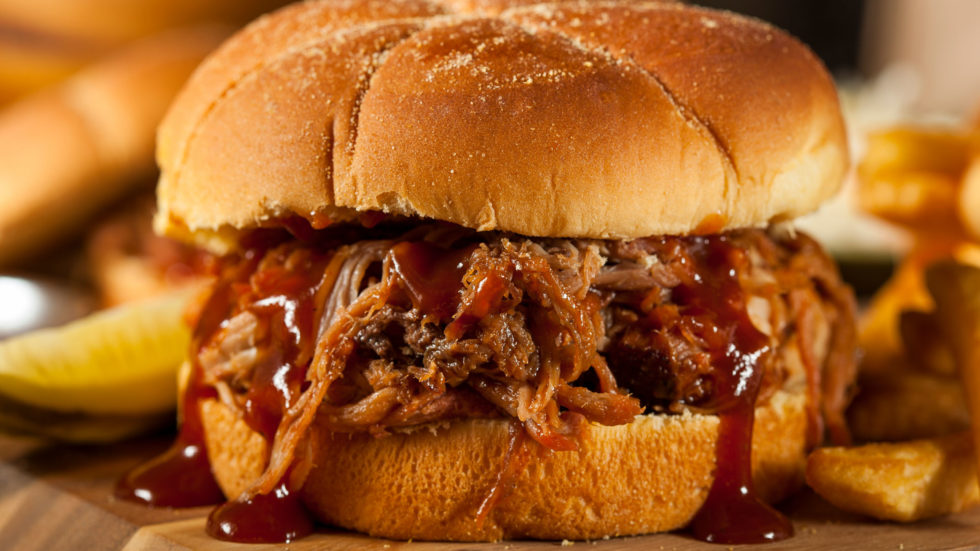
easy barbecued beefEasy Barbecued Beef: This easy barbecued beef recipe takes advantage of your traditional slow-cooker. It’s great for any cookout or potluck dinner. Chuck roast makes delicious shredded beef sandwiches. The recipe calls for ketchup however, you may substitute tomato paste for a slightly less sweet dish. In any case, this barbecued beef is sure to please your family.

chocolate peanut butter protein shakeQueso Fresco: Want to make queso fresco at home? Here is an easy recipe to make this homemade cheese that is a popular topping for tacos, nachos, enchiladas and tostadas. Many Latin foods use this ingredient and it is so easy.

crème fraîcheCrème Fraîche: Crème fraîche is similar to sour cream. While sour cream and crème fraîche are both used to add richness and tangy flavor, they are not the same thing. And is it worth taking the extra time to make your own crème fraîche? I’m going to say absolutely, yes, depending on the use.

Nose to Tail Beef

Nose to tail beef is an important topic for those supporting local, sustainable, regenerative agriculture. I get lots of questions on it. Buying a large quantity of beef can be a daunting prospect. Sure, you know it’s going to help your local farmer. And you know your local farmer is working hard for you, the animals and the environment. But what do you do with all that meat? What are the different cuts and what makes them different? How does a side of beef get broken down? What should you expect? Nose to tail beef is what this episode is all about.

Let me take a minute and say welcome to new listeners and welcome back to the veteran homestead-loving regulars who stop by the FarmCast for every episode. I appreciate you all so much. I’m so excited to share with you what’s going on at the farm this week.

Today’s Show

  • Homestead Life Updates
  • Nose to Tail Beef
  • Moroccan Seasoned Meatballs

Homestead Life Updates

Creamery

You will not believe how quickly that roof is going up. After months and months and months of concrete blocks, in just a few weeks, Scott has those blocks nearly covered with a roof. He tells me once the decking is complete—within the week, he will be starting on the other roof over the barn and milking parlor. That needs to be completed to the same point before putting on the metal roofing. I love going out there and strolling around in the rooms, imagining when it will be complete.

Animals

Winter is coming upon us and it is cold today and will be even colder in the coming days. The animals are all healthy and ready for it. Thick winter coats cover all of them. Thunder had a cut on his cheek that he got from who knows where. It is healing nicely, though it looked quite scary when I first saw it. Blood was running down the side of his head and there was this huge puckered gash in his jaw. But again, he is healing just fine. The girls are grazing calmly each day and growing their calves. The first expected birthing of a calf will be Claire on the 31st of March and Buttercup right behind her about three days later.

The donkeys, sheep and goats are also grazing along. I was outside yesterday taking a tour of the creamery and saw that one of the goat does was in the pasture adjacent to everyone else. She will find her way back to the rest of the herd whenever she feels the urge. Goats are just gonna be goats.

Still no quail eggs. They don’t eat much so I guess it’s okay. I can’t wait until spring and I start hatching out eggs again. The quail are just fun.

The boys are all still peacefully grazing out front. There are five of them that will eventually make their way to freezer camp. And that brings me to today’s topic.

Nose to Tail Beef

Nose to tail beef is an important topic to understand when purchasing from your local farmer. Often beef is offered to you in quantities such as quarters and halves. Perhaps you will even purchase a whole beef and share the costs with family and friends. I’ll get to the various cuts often offered in one of these large purchases, including the organ and variety meats.

I want to start with a brief history of beef in North America, some basic terminology, muscle composition, the structure of meat, aging, and inspection and grading. I’ll end with the various cuts available in beef and which part of the animal from which it is cut.

This may be a long podcast. And I think the information will be invaluable to you as you develop a relationship with your local farmer.

History of Beef in North America

People have been raising domesticated cattle for some 3,000 years. Christopher Columbus introduced domesticated cattle to the Americas in 1493, and soon after, cattle arrived in present-day Florida and Texas with the Spanish. Cattle have always had many uses: they carry heavy loads and pull carts and plows; supply milk, cheese, and butter; and provide a source for clothing, shelter, and food. Today, Americans prefer beef to all other meats.

As I noted, domesticated cattle first arrived in the Americas in 1493. By 1500 European cookbooks began to specify cuts of beef and other meats. During the period of the mid-1800s through 1900 cattle ranching in the United States reached its peak. In 1906 the meat inspection act was passed by Congress. Finally, beef surpassed pork as the most popular meat in 1950.

Terminology

Cattle is a general term for domesticated bovine animals raised on a farm or ranch for their meat, milk, or hides or for use as draft animals. Further delineation of cattle is characterized by sex and age.

Calves are young cattle of either sex. A male calf is known as a bull calf, and a female Is called a heifer calf.

Bulls are mature, un-castrated male cattle used for breeding.

Steers are male cattle that have been castrated before reaching sexual maturity, making them more docile and easier to maintain on a ranch or in a feedlot. Most beef that Americans eat comes from steers.

Staggs are male cattle that have undergone castration after they have matured.

Heifer calves grow into heifers and eventually become cows.

Cows are mature female cattle, and are usually used as a source of milk. They have to have given birth at least once to earn the title of cow.

Nutritional Make Up

Beef, like other meats, is animal muscle containing various nutrients that form part of a healthful diet.

Muscle Composition

The three main components of muscle are water, protein, and fat. These nutrients appear in the following proportions in most meats:

  • 75% water
  • 20% protein
  • 5% fat

Muscle also contains vitamins, minerals, and very small, trace amounts of carbohydrates.

Although most meats are about three-quarters water, the actual amount of water in meats varies depending on shrinkage. Shrinkage, or moisture loss, is the result of oxidation, which occurs during storage or aging or as a result of high temperatures and long cooking times. Oxidation causes meat to lose both water and weight.

Protein is an essential nutrient that promotes growth, builds tissue, regulates body functions, and serves as an alternative to fats and carbohydrates as a source of energy. Most solid matter in meat is protein. When heat is applied to meat, the protein coagulates, or becomes firm. The degree of coagulation is one gauge for doneness. High heat can cause protein to lose moisture and become too firm, making the meat tough.

Fat surrounds the muscle tissue as a fat and lies within it (marbling). The fat may be left on a piece of meat during cooking to keep the meat moist, but barding or larding are acceptable alternative methods for retaining juice if there is no fat. Marbling also contributes to the juiciness of meat and makes it more tender and flavorful.

Regarding vitamins and minerals, meat is an important source of vitamins A and K as well as several B vitamins, including thiamine (B1), riboflavin (B2), niacin (B3), B6, and B12. Meat also adds minerals such as iron and phosphorus to the diet.

Although carbohydrates are present only in very small amounts, they contribute to the appearance and flavor of meat that is prepared with a dry technique such as roasting, sautéing, or broiling.

Structure of Meat

Meat products consist of bones, muscle fibers, and connective tissue.

Bones: bone color is an indication of an animals age. The redder the bone, the younger the animal. Older animals have white bones. Becoming familiar with the bone structure of an animal helps when learning the different cuts of meat and how to debone them.

Muscle fibers: muscle fibers, or cells bundled together, make up the meat. The thickness of the fibers determines the texture or grain of the meat. Thick, tough fibers bound in large bundles make up coarsely textured meats, such as bottom round or brisket. Thinner, tender fibers in small bundles form finely grained meat, such as tenderloin.

Connective tissue: connective tissue is a web of proteins that perform several functions. It covers individual muscle fibers, bundles them together, and attaches them to bones. Connective tissue helps determine the texture of meat and is tough in general. Some meats are higher in connective tissue than others.

Frequently used muscles such as those in the leg or shoulder have more connective tissue and thus are tougher than those in the back (or loin). Meat from older animals is also tougher because as an animal ages, the connective tissue becomes more resistant to breaking down.

Elastin and collagen—the two kinds of connective tissue—differ in their ability to break down during the cooking process. Elastin is a hard, yellow connective tissue prevalent in older animals because it will not break down during cooking, elastin must be cut away from the meat or physically tenderized to reduce its effects.

By contrast, collagen, the soft, white connective tissue, really breaks down into water and gelatin with slow, moist cooking. Collagen also responds well to tenderizing.

Aging

Aging is the process by which naturally occurring enzymes (lactic acid) tenderize meat. After slaughter, chemical changes in the flesh of an animal cause rigor mortis, or a stiffening of the muscles. As rigor mortis disappears, the meat softens, or ripens, as a result of enzymatic action. This process takes up to several days for beef and must occur in a controlled, refrigerated environment so that the meat does not spoil. The result is flavorful, tender meat.

There are three methods of aging meat under refrigeration. Today I will discuss dry aging as this is the method used by small, independent meatpackers.

Dry aging involves hanging large, unpackaged cuts of meat in a controlled environment for two to six weeks. Temperature, humidity, and air flow must be carefully monitored to prevent spoilage. Two weeks is most common. Small, local meat processing facilities are limited by space and energy cost controls.

Although costly, dry aging produces extremely flavorful meat with a highly desirable texture. However, shrinkage is a major drawback of this method, with some cuts of meat losing as much as 20% of their weight through loss of moisture. Meat aged by this method also can develop mold, which requires trimming—a further reduction in weight.

Inspection and Grading

Inspection and grading systems help producers, distributors, and consumers like you evaluate meat.

Inspection—The Meat Inspection Act, passed in 1906, mandates the examination of all meat transported across state lines. This federal law guarantees that meat is wholesome and fit for consumption and that the animal for which it originated was not diseased; however, inspection is not a mark of quality.

USDA/FSIS—The Food Safety and Inspection Service (FSIS), a public health agency within the United States department of agriculture (USDA), is responsible for conducting inspections. The FSIS checks meat to make sure that it is clean, safe, and properly packaged and labeled. Meat that satisfies inspection standards carries a USDA inspection stamp.

Grading—unlike inspection, grading is completely voluntary. Grading measures meat quality, allowing a comparison of meat quality grading indicates tenderness, juiciness, and flavor of the meat.

The USDA has eight quality grades that apply to beef.

  • Prime is the highest quality, most expensive, with abundant marbling because of the young age of animals and feed practices. It is extremely juicy and flavorful.
  • Choice is high-quality, very juicy and tender, in abundant supply, widely available to the public.
  • The select grade is acceptable quality. It is a good buy, generally lean with little marbling, and less juicy and tender.
  • Standard grade is lower quality. It is economical and lacking in marbling.
  • Commercial grade is low quality. It is produced from older animals is economical and lacking tenderness.
  • Utility, cutter, and canner are the lowest quality. This grade of meat is used primarily by canners and processors.

Kobe Beef

Up to now I have been speaking only of US beef grades. Now I will touch upon one other. Kobe Beef.

Cattle raised in Kobe, Japan, are the source of a special grade of beef that is rich in flavor, has abundant marbling, and is extraordinarily tender. Kobe beef comes from the Wagyu breed of cattle and meets rigorous production standards. Wagyu cattle are famous for the extensive marbling of their meat, but this quality characteristic is not entirely the result of genetics.

The daily routine and special diet of cattle raised for Kobe beef are quite unusual. The Wagyu cattle receive energizing massages with sake, the Japanese alcoholic rice beverage, and indulge in huge quantities of beer, making Kobe beef legendary and expensive.

By USDA standards Kobe beef would receive the highest yield and quality grades. It’s marbling and rareness in the marketplace actually put it well above the prime grade.

Once raised only in Kobe, Wagyu cattle now roam ranches in the United States and Australia, where land and feed are cheaper. Fabrication of the prized beef, however, takes place in Kobe, which earns it the name Kobe beef.

Primal, Subprimal, and Fabricated Cuts

Beef and other meats are available for purchase in various forms: carcasses; partial carcasses; and primal, subprimal, and fabricated cuts.

The carcass is the whole animal after slaughter, without head, feet, hide, and entrails. It is typical to split a beef carcass into halves and then to cut each half into a front portion or forequarter and a rear portion or hind quarter. A side or a quarter of beef represents a partial carcass. There are two front quarters, right and left. The front quarter starts at the neck and ends where the ribs end, about halfway down the back of the carcass. The rear quarters pick up from there. Again, there are two, right side of spine and left side of spine.

A primal cut is a large, primary piece of meat, sometimes called a wholesale cut. A subprimal cut is a basic cut made from a primal cut. A fabricated cut is the smaller portion taken from a subprimal cut, such as a roast, steak, and ground meat.

Beef Carcass Forequarter

Now think of the front quarter divided into four smaller pieces. From shoulder to mid back, there are four primal cuts that make up a forequarter of beef: Chuck (shoulder of the animal), primal rib (main rib section), brisket (breast and foreleg or shank), and short plate (directly below the ribs).

Those four primal cuts are broken down into subprimals and finally a fabricated cut.

Chuck

The chuck comes from the animal’s shoulder. It includes part of the backbone and the first five rib bones as well as portions of arm bones and blade bones. The chuck makes up nearly 30% of the weight of the beef carcass. A fairly large portion of the chuck is connective tissue, which accounts for the toughness of this meat. However, chuck has a great deal of flavor when properly prepared. A moist technique or combination method such as stewing or braising is appropriate for this cut. The primal chuck yields various fabricated cuts: shoulder roast, chuck roast, chuck short ribs, cubed or tenderized steaks, stew meat, and ground chuck.

Primal Rib

This primal cut comprises about 10% of the carcass weight. It includes ribs six through 12 and some of the backbone. As it is not well exercised muscle, it is tender, owing its rich flavor to extensive marbling. Primal rib cuts benefit from dry cooking methods such as roasting, broiling, and grilling. Moist heat is the preferred method for short ribs. Fabricated cuts taken from the primal rib include rib roast, boneless ribeye, short ribs, and ribeye steaks. Rib roast, better known as prime rib, is an extremely popular meat dish. The word “prime,” however, does not represent a USDA grade; rather, it indicates that the rib roast makes up most of the primal cut.

Brisket

Located below the chuck, the brisket constitutes a single primal cut. This cut consists of the breast (brisket) of the animal, including the rib bones and Cartledge, and the breastbone. A combination technique such as braising is an excellent choice for beef brisket, which is very tough. Curing, another method of preparation for brisket, is the method used to produce corned beef. Fabricated cuts from this primal cut include boneless brisket and ground meat.

Short Plate

Short plate is the cut below the primal rib on a side of beef. It contains rib bones and Cartledge and the tip of the breastbone. Fabricated cuts from the short plate include ground beef, skirt steak, and short ribs. Moist cooking is appropriate for short ribs, which are quite meaty but also contain a large amount of connective tissue. Marination and grilling are excellent methods for skirt steak, which is sliced for fajitas.

Foreshank

The foreshank is considered a byproduct of the beef forequarter and may be attached to the chuck when purchased. The rich flavor of the four shank and its abundant collagen, which turns to gelatin with moist heat, make it a choice ingredient in stocks and soups. Fabricated cuts include stew meat and ground beef.

Beef Hindquarter

A beef hindquarter also yields four primal cuts: short loin, sirloin, round, and flank. The short loin, sirloin, and round are the rest of the spine divided roughly into thirds. The fourth portion, the flank is directly below the short loin and sirloin. The round primal cut is very large as it is essentially the hind leg.

Short Loin

The short loin is the first primal cut of the hindquarter, forming the front portion of the beef loin. It includes one rib and part of the backbone the yield of this primal cut is substantial and represents the most palatable and popular, as well as the most expensive, cuts of beef. Among these is the tenderloin, the most tender piece of beef. Fabricated cuts from the short loin include T-bone steaks, NY strip steaks, and tenderloin. These cuts are best cooked using dried methods. Broiling, roasting, and grilling.

Sirloin

Located next to the short loin, the sirloin contains a portion of both the backbone and the hip bone. The subprimal and fabricated cuts taken from the sirloin have good flavor and are quite tender, though not as tender as the short loin cuts. Fabricated cuts from the sirloin include top sirloin roasts and steaks and top and bottom sirloin butt roasts and steaks. The dry techniques of broiling, roasting, and grilling are best for these cuts.

Round

The round is the hind leg of the animal, including the round, shank, and tail bones. It is an extremely large cut, constituting approximately 24% of the carcass weight. Very flavorful and fairly tender, the round yields various subprimal and fabricated cuts, including top round, bottom round (eye of round and heel of round), knuckle, and shank. Dry cooking such as roasting is appropriate for top round, which is relatively tender. The top or bottom round benefits from combination cooking such as stewing or braising. Lots of ground beef from this area as well.

Flank

Beneath the loin and behind the short plate (forequarter) is the flank. The flank contains a good amount of fat and connective tissue, which makes it tough. Flank yields flank steak. Moist cooking techniques are best for flank cuts.

One final note. When choosing to purchase a quarter, half, or whole beef, in addition to these cuts somewhere between 35% and 50% of the packaged fabricated cuts will be ground beef.

Variety Meats

Variety meats include internal organs, glands, and other meats that are removed during the processing of the carcass. Traditionally viewed as ethnic food items, variety meats have found their way onto American menus in limited quantities. High in protein, vitamins, and iron, variety meats are features of soups, stews, and other dishes.

All the beef variety meats except kidney are muscle tissue. These meats are tough in general and require long, moist cooking to become tender. Kidneys are the only glance from beef served with much frequency.

Heart

Tough but lean, the heart lends itself to braising or stewing. Ground heart can be added to meatloaves or to casseroles calling for chopped meat. Be sure to remove veins and fibers before cooking.

Liver

Beef liver is dark in color and has a strong flavor. It should be broiled, braised, or panfried. It is often served with onions and is added to pies and puddings.

Tongue

The customary method for cooking tongue is simmering. After cooking, remove the skin and gristle. Cooked and chilled beef tongue is a favorite sliced meat for sandwiches. Smoking and curing are other methods of preparation before cooking.

Oxtail

Before cooking, oxtails need to be cut into sections at the joints. Oxtails are rich in gelatin and also contain tasty meat, both of which augment the texture and flavor of soups and stews.

Kidney

Beef kidney is somewhat tough and has a relatively strong flavor. Braising helps tenderize this variety meat, which is a key ingredient in steak and kidney pie.

I’m currently working on a cookbook that will have at least one recipe for every cut of meat I’ve described in this podcast. One of the challenges when purchasing a quarter, half, or whole beef is what to do with all of those cuts of meat and variety meats. I hope to fill in that gap for you with my whole beef cookbook. You can be confident in being able to use all of the great grass-fed meat in which you invested.

At the last farmers market, I brought Moroccan seasoned meatballs to give customers an opportunity to taste the quality of our lamb. Today’s recipe is in response to a direct request from several of my customers who read my newsletter and love the recipes.

Moroccan Seasoned Meatballs

Seasoned with a Moroccan-style blend of fresh mint, cinnamon, coriander and cumin and simmered in tomato sauce, these tender lamb meatballs make a flavorful change from their Italian-style cousins.

Prep time: 20 minutes Cook time: 25 minutes Total time: 45 minutes

What You Need

Meatballs

  • 1 lb ground lamb
  • 1 egg, slightly beaten
  • 1 clove garlic, very finely chopped
  • 2 tablespoons bread crumbs
  • 1 ½ tablespoons fresh mint leaves, finely chopped
  • 1 tablespoon fresh parsley, finely chopped
  • ½ teaspoon ground cinnamon
  • ½ teaspoon ground coriander
  • ½ teaspoon ground cumin
  • 1 teaspoon salt
  • ¼ teaspoon ground black pepper
  • 2 tablespoons cooking oil

Sauce

  • 2 tablespoons cooking oil
  • ½ cup onion, chopped
  • 3 cloves garlic, very finely chopped
  • 2 cups diced tomatoes, undrained
  • ½ to 1 teaspoon cinnamon
  • ½ to 1 teaspoon ground coriander
  • Salt and pepper to taste

What To Do

  1. Combine the lamb, egg, garlic, bread crumbs, mint, parsley, cinnamon, coriander, cumin, salt and pepper in a large bowl. Form the mixture into 16 to 18 meatballs about 1 ¼ inch in diameter.
  2. Heat the olive oil in a large, heavy skillet over medium-high heat. Add the meatballs and cook until lightly browned on all sides, about three minutes total. Transfer the meatballs to a plate, drain the excess fat from the pan and return it to the stove.
  3. To make the sauce, heat the olive oil over medium heat. Add the onion and sauté until soft and translucent, 3 to 4 minutes. Add the garlic and continue cooking until fragrant, one minute longer.
  4. Stir in the tomatoes. Add ½ teaspoon each of cinnamon and coriander and season to taste with salt and pepper. Cook for two minutes, then taste again and adjusted the spices as desired.
  5. Return the meatballs to the pan and turn several times to coat them with the sauce cover and simmer slowly until the meatballs are cooked through, 6 to 8 minutes.
  6. Transfer the meatballs and sauce to a serving dish, garnish with parsley and serve with steamed white rice.

Enjoy!!!

Final Thoughts

That’s it for this podcast. The farmstead keeps on keeping on. The creamery gets closer and closer to completion with every passing day. The animals continue to thrive and enjoy their pasture-based existence.

I hope you enjoyed the ins and outs of beef and you better understand the nose to tail beef option. It is the lifeblood of many local farmers. They invest a great deal of time and energy into a beef product you can trust.

Look for my new Whole Beef Cookbook in the coming weeks. And do give the meatballs a try. I know, I know it’s lamb, not beef. But they are excellent just the same.

If you enjoyed this podcast, please hop over to Apple Podcasts, SUBSCRIBE and give me a 5-star rating and review. Also, please share it with any friends or family who might be interested in this type of content.

As always, I’m here to help you “taste the traditional touch.”

Thank you so much for stopping by the homestead and until next time, may God fill your life with grace and peace.

Recipe Link

Moroccan Seasoned Meatballs

To share your thoughts:

  • Leave a comment on our Facebook Page
  • Share this show on Twitter, Facebook and Instagram

To help the show:

Website

www.peacefulheartfarm.com

Patreon

www.patreon.com/peacefulheartfarm

Facebook

www.facebook.com/peacefulheartfarm

Instagram

www.instagram.com/peacefulheartfarm/

Moroccan Seasoned Meatballs

Moroccan Seasoned Meatballs

Moroccan Seasoned Meatballs Seasoned with a Moroccan-style blend of fresh mint, cinnamon, coriander and cumin and simmered in tomato sauce, these tender lamb meatballs make a flavorful change from their Italian-style cousins.
Prep Time20 minutes
Cook Time25 minutes
Total Time45 minutes

Ingredients

Meatballs

  • 1 lb ground lamb
  • 1 egg slightly beaten
  • 1 clove garlic very finely chopped
  • 2 tablespoons bread crumbs
  • 1 ½ tablespoons fresh mint leaves finely chopped
  • 1 tablespoon fresh parsley finely chopped
  • ½ teaspoon ground cinnamon
  • ½ teaspoon ground coriander
  • ½ teaspoon ground cumin
  • 1 teaspoon salt
  • ¼ teaspoon ground black pepper
  • 2 tablespoons cooking oil

Sauce

  • 2 tablespoons cooking oil
  • ½ cup onion chopped
  • 3 cloves garlic very finely chopped
  • 2 cups diced tomatoes undrained
  • ½ to 1 teaspoon cinnamon
  • ½ to 1 teaspoon ground coriander
  • Salt and pepper to taste

Instructions

  • Combine the lamb, egg, garlic, bread crumbs, mint, parsley, cinnamon, coriander, cumin, salt and pepper in a large bowl. Form the mixture into 16 to 18 meatballs about 1 ¼ inch in diameter.
  • Heat the olive oil in a large, heavy skillet over medium-high heat. Add the meatballs and cook until lightly browned on all sides, about three minutes total. Transfer the meatballs to a plate, drain the excess fat from the pan and return it to the stove.
  • To make the sauce, heat the olive oil over medium heat. Add the onion and sauté until soft and translucent, 3 to 4 minutes. Add the garlic and continue cooking until fragrant, one minute longer.
  • Stir in the tomatoes. Add ½ teaspoon each of cinnamon and coriander and season to taste with salt and pepper. Cook for two minutes, then taste again and adjusted the spices as desired.
  • Return the meatballs to the pan and turn several times to coat them with the sauce cover and simmer slowly until the meatballs are cooked through, 6 to 8 minutes.
  • Transfer the meatballs and sauce to a serving dish, garnish with parsley and serve with steamed white rice.

You found our farm!

}

FARM STORE HOURS:

Tuesday and Wednesday:  10am – 12pm
Tuesday:  4pm – 6pm
Saturday:  by appointment

Peaceful Heart Farm

224 Cox Ridge Road, Claudville, VA 24076

Can you find our products?

We'd like to make sure we have cheese available where you can get it. Whether it be at the Farmers Market or a specialty food store.

Let us know where you'd like to see us and we'll try to make it happen. We'll notify you via email when we get our products to your favorite shopping destination.

3 + 13 =

}

FARM STORE HOURS:

Tuesday and Wednesday:  10am – 12pm
Tuesday:  4pm – 6pm

Saturday:  by appointment

}

Independence Farmers Market:

Fridays:  9am – 1pm (May thru October)
Fridays: 11am - 12pm (October thru April)

Never Miss an Update:

We're crafting cheese. Just for YOU!

0

Your Cart